Java source code security scanning tools differ in how deeply they analyze application data flows, how well they understand common Java frameworks, and how easily they fit into development workflows. Some tools primarily identify patterns within individual fi...
A developer adds a dependency mid-sprint to solve a routing problem. It works, the pull request merges, and the team moves on. Four days later, a CVE is disclosed against that exact package version. The next scheduled scan is nine days out. For those nine day...
Every October, the Cybersecurity and Infrastructure Security Agency (CISA) leads Cybersecurity Awareness Month, an annual effort to strengthen cybersecurity and protect the systems we rely on. This year’s theme, “Securing the Next 250,” looks toward the next ...
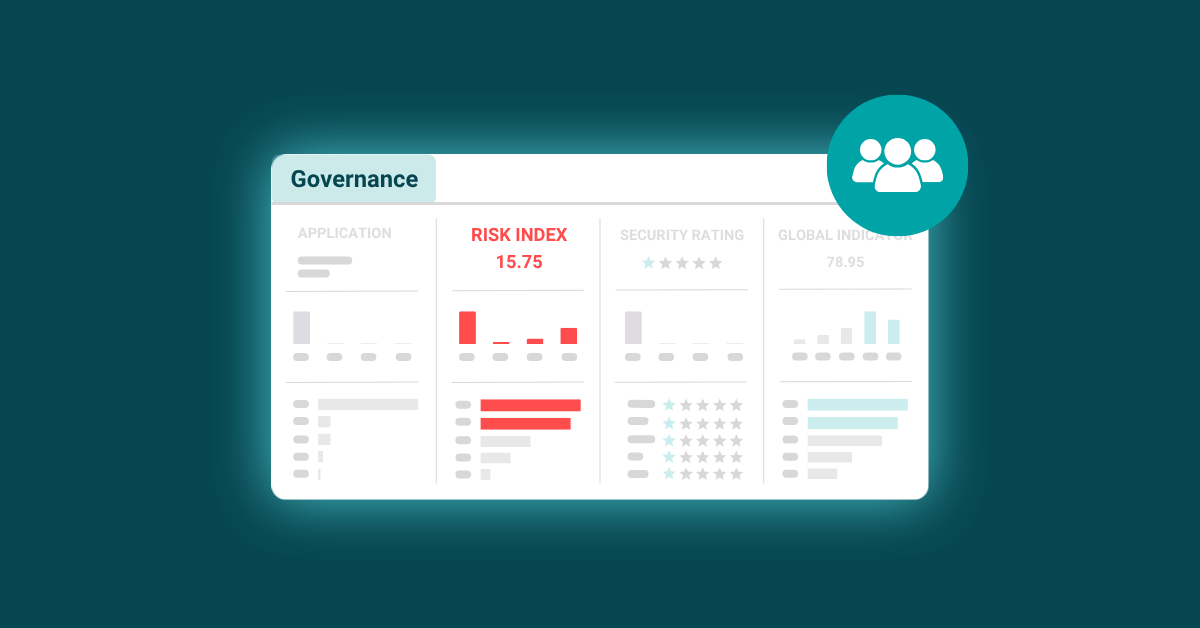
Development teams often have coding standards, review requirements, and security tools, but those controls can vary significantly across applications and teams. A code governance framework connects them by defining which rules apply, where they are enforced, ...
Understanding and tracking security data breaches Security data breaches are one of the biggest challenges organizations face today. Every year, companies deal with data leaks, ransomware attacks, or unauthorized access to sensitive information, often because...
SQL injection (SQLi) is a well-established, high-impact application vulnerability. It occurs when untrusted input changes the structure of an SQL command, potentially allowing an attacker to access sensitive data, alter records, bypass authentication, or perf...
AI coding assistants have moved from experimentation into everyday software development. According to the 2026 Sembi Software Quality Pulse Report, nearly 4,000 software quality and security professionals estimate that, on average, 53% of their organizations’...
Cybersecurity metrics help organizations evaluate security performance, identify gaps, prioritize risk, and measure improvement over time. The right key performance indicators (KPIs) can also help security leaders explain technical risks and investment needs ...
Security vulnerabilities and quality issues are notoriously difficult to pinpoint. Typically, they are introduced early in software development but don’t surface until the production stage. As the NIST cost escalation calculator illustrates, the cost of...
Java apps have at least two major attack surfaces, and many scanners are stronger on one than the other. Proprietary code is where deserialization flaws, JNDI lookups, and weak crypto live. The Maven and Gradle dependency tree is where hundreds of transitive ...
Software engineering professionals are always looking for ways to write better code and reduce the number of defects in the codebase. Monitoring defect density is one of the best ways to achieve that. Defect density measures the number of confirmed defe...
Software quality and security are closely connected. Even with a perfect UI, a software application isn’t safe to deploy until teams have validated it against potential cyberattacks. Otherwise, stakeholders’ and customers’ data can be at ris...