TL;DR
Static Application Security Testing (SAST) tools help teams catch vulnerabilities earlier in the software development lifecycle, making it easier to fix issues before they reach production. In this guide, we compare nine leading SAST tools based on language support, scan capabilities, integrations, remediation features, usability, and scalability. The right tool depends on your team’s tech stack, workflows, compliance needs, and how deeply you want security embedded into development.
As teams adopt shift-left security and DevSecOps, Static Application Security Testing (SAST) tools help developers identify and fix vulnerabilities early, reducing the risk of insecure code reaching production. Adding static code analysis early in the development process helps cut down on expensive late-stage fixes, supports compliance efforts, and gives teams more confidence as they ship secure software.
Below, we’ve gathered nine leading SAST tools worth considering. Each includes details on language support, scan capabilities, integrations, remediation features, usability, and scalability. Whether you are securing a small application or a complex enterprise codebase, this guide can help you find the best fit for your technology stack, workflows, and security goals.
1. Kiuwan
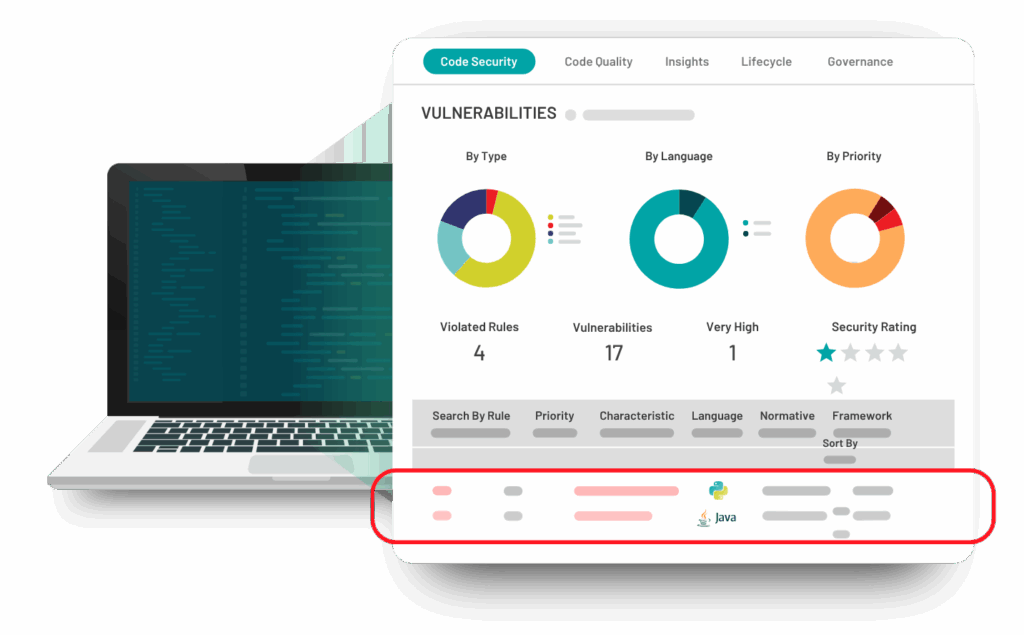
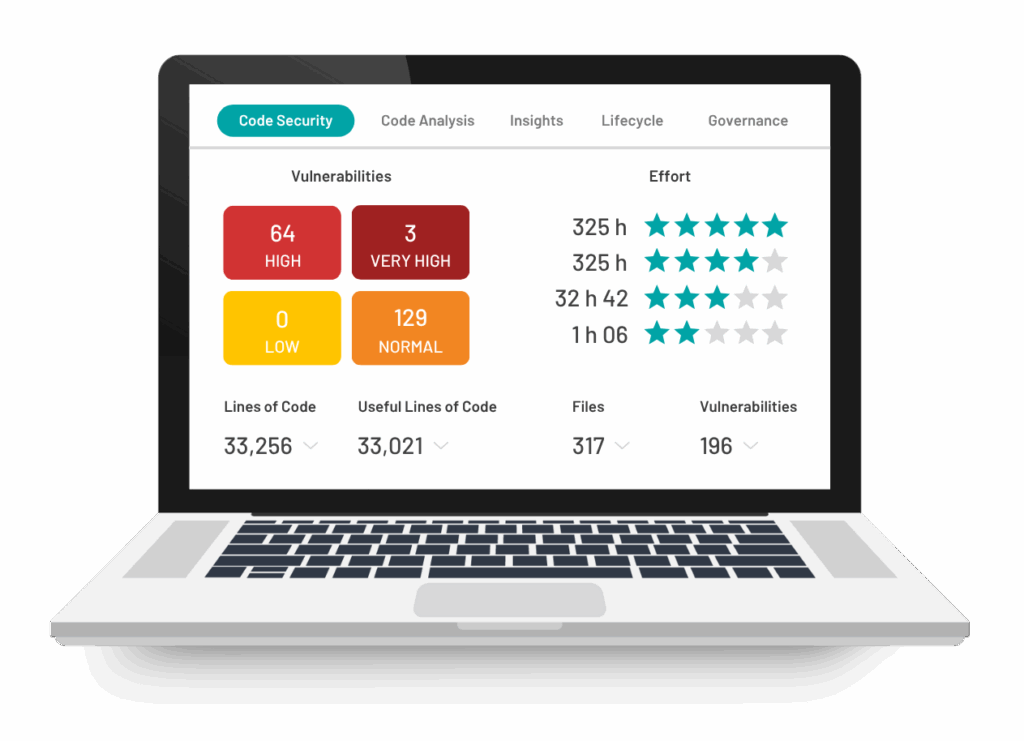
Kiuwan offers a developer-friendly SAST solution that helps teams produce secure, high-quality code without slowing development. It supports 30+ languages, integrates with popular IDEs, and provides detailed reports and dashboards to help teams review issues and prioritize remediation. Kiuwan is also available in hybrid-cloud and on-premises deployment models, and its rules map to widely used security standards such as OWASP, CWE/SANS-25, and PCI DSS.
Good for: Teams that need strong language coverage and standards-based security checks embedded naturally into development workflows.
Customer reviews:
G2: 4.5/5
Capterra: 4.4/5
2. Checkmarx
Checkmarx is an enterprise-grade SAST solution built for organizations that need broad language support and deep workflow integration. Its current documentation highlights Fast Scan mode, which can reduce scan times by up to 90%, while In-Depth mode provides broader coverage. Checkmarx also offers features such as AI Query Builder, developer assist capabilities in supported IDEs, and SAST analysis backed by data-flow-based findings and remediation guidance.
Good for: Organizations that want a scalable SAST platform with flexible scan modes and advanced customization for enterprise AppSec programs.
Customer reviews:
G2: 4.2/5
Capterra: 3.9/5
3. Veracode
Veracode is a cloud-based SAST solution that helps development and security teams integrate security into delivery pipelines without taking on infrastructure maintenance. Veracode supports a broad range of modern and legacy languages, offers IDE, SCM, CI/CD, and ticketing integrations, and now supports AI-generated fixes directly within supported IDE experiences through Veracode Fix. Its platform also emphasizes root cause analysis and centralized findings review across developer and platform integrations.
Good for: Teams that want a SaaS-based AppSec platform with strong integrations and built-in remediation support.
Customer reviews:
G2: 3.8/5
Capterra: 4.0/5
4. OpenText Static Application Security Testing (Fortify)
OpenText Static Application Security Testing, formerly Fortify, remains a strong option for organizations that need deep static analysis and flexible deployment. OpenText currently describes the product as supporting 33+ languages, 350+ frameworks, and 1,495+ vulnerability categories across more than one million APIs. It integrates with platforms such as GitHub, GitLab, Jenkins, Azure DevOps, VS Code, and Eclipse, and now includes AI-powered auditing and code fix suggestions through Application Security Aviator.
Good for: Regulated organizations and large teams that need deep analysis, broad framework support, and cloud or off-cloud deployment options.
Customer reviews:
G2: 4.5/5
Capterra: 5.0/5
5. SonarQube
SonarQube combines security analysis with code quality checks, making it a strong fit for teams that want to improve both security and maintainability in one workflow. SonarQube currently supports more than 30 languages, now positions itself around analysis of first-party, AI-generated, and third-party code, and advertises 7,000+ distinct issue types. Recent releases also highlight AI CodeFix, expanded taint analysis coverage, and continued support for cloud and self-managed deployment patterns.
Good for: Teams that want one platform for code quality and security, especially when security checks need to fit naturally into existing developer workflows.
Customer reviews:
G2: 4.4/5
Capterra: 4.5/5
6. HCL AppScan
HCL AppScan is a broad application security platform that includes SAST alongside DAST, IAST, SCA, API security, secrets detection, container scanning, and IaC scanning. For developer-focused static analysis, HCL AppScan CodeSweep supports 30+ languages and frameworks, offers on-the-fly testing and auto-fix features, and connects into IDE and CI/CD workflows. HCL also continues to promote Intelligent Finding Analytics, which it says can reduce false positives by up to 98%.
Good for: Enterprises that want SAST as part of a broader application security platform with developer tooling and centralized visibility.
Customer reviews:
G2: 4.1/5
7. Semgrep
Semgrep is a lightweight, developer-focused static analysis tool known for speed, flexibility, and customizable rules. Semgrep Code now supports 35+ languages, including strong support across common modern languages, and its platform combines rule-based scanning with AI-assisted capabilities such as remediation suggestions and Assistant features. Semgrep also supports deterministic autofix in rules, which helps teams move from detection to remediation faster.
Good for: Organizations that want a flexible SAST tool with strong custom rule support and a lighter-weight developer experience.
Customer reviews:
G2: 4.6/5
8. GitLab
GitLab includes built-in SAST as part of its DevSecOps platform, making it especially attractive for teams already standardized on GitLab. Current GitLab docs show full support for languages such as C/C++, C#, Go, Java, JavaScript, PHP, Python, Ruby, TypeScript, and YAML, with additional language coverage through standard analyzers. GitLab Advanced SAST uses cross-function and cross-file taint analysis, and diff-based scanning can limit analysis to merge request changes so developers can focus on new risk sooner.
Good for: Teams already using GitLab CI/CD that want security findings surfaced directly in native pipeline and merge request workflows.
Customer reviews:
G2: 4.5/5
Capterra: 4.6/5
9. Snyk Code
Snyk Code extends the Snyk platform into static analysis, complementing SCA, container, and infrastructure security. Snyk supports a broad range of modern languages, provides real-time in-line results in IDEs and pull requests, and promotes automatic, build-free scanning with a developer-friendly remediation context. Snyk’s AI-assisted fix workflow can generate multiple suggested fixes and retest them using Snyk Code’s engine, which helps developers remediate issues without leaving their workflow.
Good for: Teams already invested in Snyk or teams that want static analysis as part of a wider developer security platform.
Customer reviews:
G2: 4.5/5
Capterra: 4.6/5
Which SAST Tool Is Right for You?
A strong SAST tool can improve your entire development workflow. With early vulnerability detection, CI/CD integration, and actionable remediation guidance, teams can ship more secure software without slowing delivery.
Ready to catch vulnerabilities earlier, reduce rework, and strengthen secure development across every release? Start a free Kiuwan trial today!
FAQ
What is a SAST tool?
A SAST tool analyzes source code, bytecode, or binaries to identify security vulnerabilities without running the application. It helps teams catch issues early in development before code moves further down the pipeline.
Why is SAST important in DevSecOps?
SAST supports DevSecOps by helping teams detect and fix vulnerabilities earlier, when remediation is typically faster, less expensive, and less disruptive. It also helps developers build security into their daily workflows instead of treating it as a separate step at the end.
What should you look for in a SAST tool?
The most important factors usually include language support, scan speed, CI/CD and IDE integrations, remediation guidance, deployment flexibility, reporting, and support for compliance or security standards relevant to your organization.
Can SAST reduce false positives?
Some SAST tools do a better job than others at prioritizing findings, reducing noise, and helping teams focus on real risk. Features like contextual analysis, customizable policies, and remediation guidance can make results more actionable.
What is the difference between SAST and DAST?
SAST analyzes code before an application runs, while Dynamic Application Security Testing (DAST) tests a running application from the outside. SAST is useful for catching issues earlier in development, while DAST helps identify vulnerabilities that appear in live or deployed environments.
Is SAST enough on its own?
SAST is an important part of application security, but it works best alongside other approaches such as DAST, software composition analysis (SCA), infrastructure security checks, and secure development practices.
Which SAST tool is best for growing teams?
The best choice depends on your environment, but many growing teams look for a tool that balances broad language support, actionable remediation guidance, CI/CD integrations, and deployment flexibility. For teams that want to embed secure coding practices into development without adding unnecessary friction, Kiuwan is a strong option to consider.