Modern apps are often powered by open-source software (OSS), which allows users to freely use, modify, and distribute it. Because OSS programs are so flexible and budget-friendly, most applications naturally contain hundreds of third-party open-source depende...
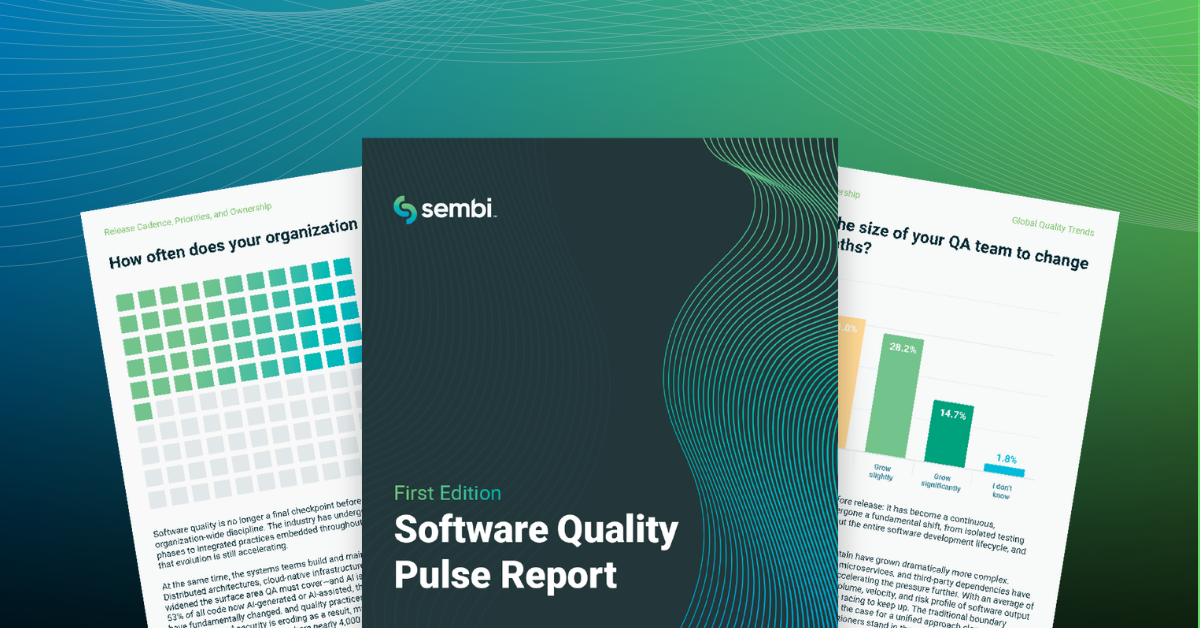
A sneak peek at key findings from Sembi’s first-ever industry-wide survey | Kiuwan The code your SAST and SCA tools were tuned to analyze is changing fast. With more than half of all code now AI-generated or AI-assisted, application security teams are f...
An SBOM report, short for Software Bill of Materials, is a structured inventory of every component in a software application, including: For DevSecOps teams, security engineers, and compliance officers, an SBOM report is the foundation of software supply chai...
Every application you deploy is a potential entry point for attackers. Without systematic testing, vulnerabilities accumulate across your codebase, third-party components, and runtime environments. Application vulnerability testing identifies these security w...
The OWASP Top 10 AI vulnerabilities are a commonly searched phrase for guidance on security risks in LLMs and generative AI systems. Originally launched as the OWASP Top 10 for Large Language Model Applications (LLMs), the initiative later expanded into the b...
TL;DR Code review tools help teams catch issues earlier, improve collaboration, and keep development standards consistent. In this guide, we compare GitHub, Gerrit, Patchwork, P4 Code Review, and Qodo based on workflow fit, collaboration features, compliance ...
TL;DR DevSecOps tools help teams embed security into software delivery without slowing down development. The strongest toolchains combine code analysis, dependency scanning, container security, secrets detection, policy enforcement, and runtime visibility so ...
TL;DR Static Application Security Testing (SAST) tools help teams catch vulnerabilities earlier in the software development lifecycle, making it easier to fix issues before they reach production. In this guide, we compare nine leading SAST tools based on lang...
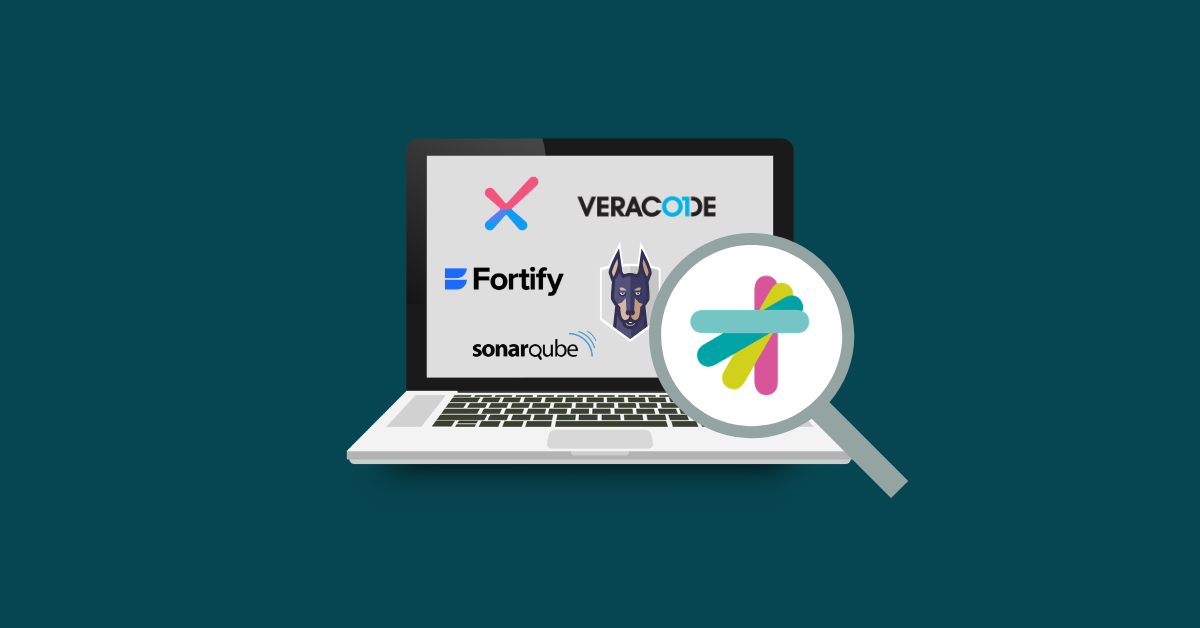
Software composition analysis (SCA) tools help teams identify vulnerable and outdated open-source components, manage license risk, generate SBOMs, and secure the software supply chain without slowing delivery. In this guide, we compare 10 leading SCA tools ac...
We’re announcing a new native integration between Kiuwan and TestRail that brings security and quality into the same workflow. With this release, Kiuwan users can push Static Application Security Testing results directly into TestRail, so security findings ap...
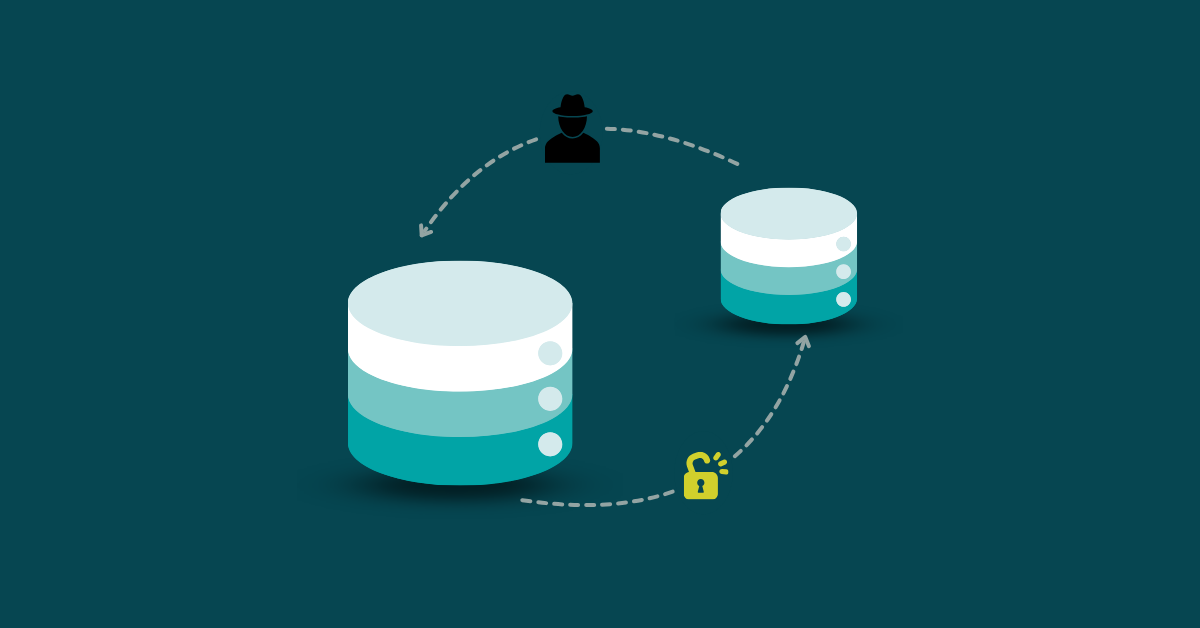
How to Prevent Reverse Shell Attacks: Detection, Defense, and Best Practices TL;DR: A reverse shell attack happens when an attacker uses your system to initiate an outbound connection back to their remote machine, giving them interactive shell access (a remot...