Most developers don’t build applications from scratch. Instead, they use a mix of original development, code reused from other programs, and some third-party components. What often happens is that developers become deeply immersed in ensuring everything works as intended. That means they may overlook problems that can lead to security issues.
That’s where Static Application Security Testing (SAST) and Software Composition Analysis (SCA) come into play. Both help developers catch today’s mistakes before they lead to tomorrow’s data breaches. They both play an essential role in software security testing. Let’s examine each in more detail and explore how they help developers become more proactive in closing security gaps in their code.
What Is SAST?
SAST processes review each code line to identify security issues. Platforms like Kiuwan include this as part of their suite of security tools. SAST applications run during the development phase. These tools are essential for IT organizations seeking to adopt a shift-left approach to the software development lifecycle, where testing begins during development.
One of the most significant benefits of using SAST tools is that they look through the entire code base, including any third-party libraries or frameworks. That allows for detecting a more comprehensive range of security vulnerabilities that might be overlooked. SAST tools are non-intrusive because they don’t run during code execution.
Kiuwan’s SAST tool provides developers with real-time feedback, guiding them to the exact location of flaws in their code. This support allows them to rewrite the code before passing it to the next SDLC phase, ensuring a more secure and robust application.
Why Is SAST Important?
Using SAST tools is critical in helping companies remediate potential security vulnerabilities at the earliest stages. In a traditional SDLC, security reviews typically occur at the end of the cycle, meaning they happen simultaneously. That can lead to something being overlooked, allowing an issue to enter a production environment.
Once those vulnerabilities become public, they become a target for bad actors. They can use those security holes to access a user’s information or go deeper into a company’s systems.
Another benefit of SAST tools is that they integrate seamlessly into continuous integration/continuous delivery (CI/CD) pipelines. The same SAST tools that review code can also perform security checks throughout the development lifecycle.
What Is SCA?
SCA automated processes examine open-source software and check for vulnerabilities against the National Vulnerability Database (NVD). They also compare Bills of Materials (inventory of components contained within a third-party library) against other public databases to check for license issues.
While SAST tools review open-source libraries to some extent, SCA tools do so at a more comprehensive level. With SAST, the developer typically rewrites the code to remove vulnerabilities, while SCA tools apply patches directly to an existing component. Kiuwan’s SCA capabilities allow developers to:
- Look for vulnerabilities periodically
- Keep up with open-source libraries written in different languages
- Locate updates to use for patching open-source code
- Find any dependencies that need the open-source components
Why Is SCA Important?
In addition to finding vulnerabilities in third-party components, SCA tools can check licenses to ensure there are no conflicts. They assess each component and ensure that organizations understand where potential vulnerabilities should be identified when assessing possible risks.
Because so many applications rely on third-party libraries to perform, organizations must have tools that track any non-proprietary software in use. This allows them to keep an open-source and third-party software inventory running on company networks.
SCA tools also work well with companies invested in DevSecOps, a framework designed to integrate security at every stage of the SDLC. It’s another way to ensure you know exactly what’s in your application and how it impacts security and functionality at every stage.
How Do SAST and SCA Work Together?
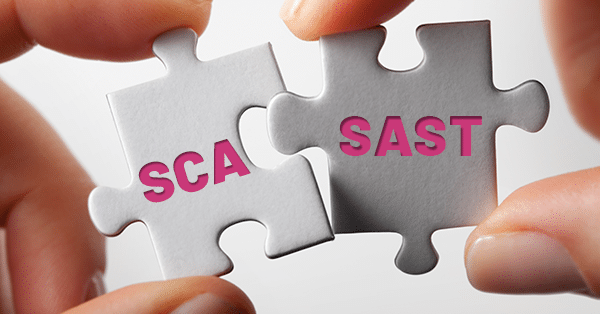
The most important thing to remember is that it’s not either SAST or SCA; it’s both. Ideally, IT teams should incorporate both into their SDLC. That provides the best opportunity to ensure the security of any application in production. SAST checks for coding vulnerabilities, while SCA scans external libraries and components for issues. That gives you coverage for both proprietary and third-party code.
Using both also strengthens an organization’s security posture by reducing an application’s attack surfaces. Integrating SAST and SCA early in the development process increases the likelihood of identifying security issues before application deployment.
Ensuring Compliance
Companies operating in industries that adhere to strict regulatory requirements also benefit from SCA and SAST processes. For example, the Payment Card Industry Data Security Standard (PCI DSS) has exact rules businesses must follow when handling payment information. Using SAST and SCA tools to identify and remediate vulnerabilities helps ensure companies remain compliant.
Organizations that handle patient data must protect health information in accordance with the Health Insurance Portability and Accountability Act (HIPAA) mandates. Any company managing data from EU citizens must comply with the General Data Protection Regulation (GDPR) guidelines for protecting their information.
One benefit of using Kiuwan for code security is that it gives you access to both tools. Developers can use one platform to ensure that applications do not put the company at risk of violating any industry regulations.
Continuous Monitoring
SCA tools run continuously to identify new open-source vulnerabilities. This is the best way to ensure that software stays compliant even as standards change and that license issues don’t impact the software’s functionality.
SAST and SCA tools are essential to helping organizations prioritize vulnerabilities according to their potential risks. SAST provides feedback on the severity of a security issue, while SCA assigns a risk score for open-source components. SCA tools guide IT professionals on how to deal with any uncovered vulnerabilities or license issues.
Implement SAST and SCA With Kiuwan
As more companies adopt the DevSecOps software development model, they need tools to adhere to the framework. Kiuwan offers a comprehensive suite of security testing tools, including SAST and SCA automation, to help businesses proactively address potential vulnerabilities early. Contact us to set up a free demo to assess the platform.