Microservices architecture provides developers with a flexible, scalable, and agile solution for building high-performance, quickly deployable apps. It has been widely adopted because of its game-changing benefits. However, developers must overcome several challenges and risks to implement microservices solutions effectively.
Microservices are more complex than monolithic builds. DevOps teams must manage multiple languages and frameworks, and new service dependencies are often incompatible with existing tools. Data consistency is another challenge since each service has its own database and transaction management protocols.
Microservices also have increased security risks due to their modular nature. The sheer volume of data exchanged between containers exposes more of the system to the network, thereby increasing the attack surface. Additionally, the highly replicable nature of microservice containers allows weak spots to spread quickly, often across applications that contain duplicate code.
Challenges and Risks of Microservices Architecture
The competitive and fast-paced nature of software development can lead teams to adopt solutions that may ultimately cause more problems than they solve. Unless developers understand how to overcome the challenges and mitigate the risks posed by microservices, they may be mired in a complex web of issues that brings progress to a screeching halt.
Some of the issues developers face with microservices include:
Operational Complexity
Because each service is deployed independently, coordinating operations across a service path is often difficult. Additionally, multiple services may be involved in fulfilling a request, making it impossible for traditional monitoring tools to perform root cause analysis.
Scaling and optimizing independently hosted and deployed services requires complex coordination among components running on separate servers. Although scalability is a frequently cited benefit of the microservices architecture, achieving it can be challenging.
Fault tolerance must be optimized for each microservice. A single component failure can affect the entire system, but optimal procedures and practices will vary by service.
Limited Environmental Control
A microservices architecture requires minimal centralized management, making environmental control challenging. While one set of procedures applies to a monolithic environment, a microservice environment requires different procedures for each environment.
Testing the individual components of a microservice architecture and their interdependencies exacerbates the complexity of environmental control. This obstacle must be overcome early because testing must be incorporated throughout all phases of the software development lifecycle.
Security Threats
Microservices are deployed across various cloud environments and communicate with each other through different infrastructure layers. This results in less control and greater component obscurity. Not only does this microservice structure increase security vulnerabilities, but it also makes testing for vulnerabilities and network security more difficult.
The distributed framework enhances data security because it’s technically challenging to control access and administer secure authorization to individual services. Data confidentiality, privacy, and integrity are also harder to maintain with a distributed framework. Data in microservices is continually moved, accessed, and stored in different locations for various purposes, which creates additional entry points for malicious actors.
Communication
Independent microservices are standalone applications that have to communicate with each other. If the infrastructure layers that enable resource sharing across services are poorly configured, the result is a suboptimal application with slow response times.
Open Source and Third-Party Code Vulnerabilities
Open-source software is frequently a component in microservices. In addition to the complexities inherent in segmentation, microservices have vulnerabilities related to third-party and open-source code.
The most significant issues with open-source code are security vulnerabilities and licensing liabilities.
Open Source Code Vulnerabilities
Open-source code vulnerabilities are often publicly known security vulnerabilities. Although patches are typically released quickly to address these risks, nearly 80% of libraries are never updated in practice. As a result, outdated open-source software can cause serious performance issues and security risks.
Licensing Liabilities
The most common licensing liabilities of open-source code are infringement and restriction. There are over 200 types of open-source software licenses, and they often conflict with one another. Developers who use open code in their builds must abide by these licenses. Some licenses, such as copyleft licenses, require that all modified or extended versions of the program be made freely available.
Infringement can be an issue because open-source code isn’t developed under the same controls as proprietary software. Anyone can add infringed code to open-source software and pass it along, which can violate intellectual property rights.
Best Practices for Securing Microservices Architecture
The DevSecOps team needs to integrate security and risk-mitigation measures into their practices at every stage of open-source development. Developers can address application security challenges by following best practices for designing security into a microservices architecture, including:
Adopt the Principle of Least Privilege (POLP)
Many microservices use container technology based on images that may contain vulnerabilities. Teams should regularly scan images to ensure they don’t contain any vulnerabilities.
Additionally, to address the internal and external threat surfaces of containers, developers can implement POLP, such as:
- Grant only the minimum permissions required for each user or service role.
- Eliminate privileged access to run services.
- Restrict available resources, such as restricting container access to the host operating system.
- Never keep confidential information in a container.
Use Access and Identity Tokens
Effective authentication and authorization are crucial for securing access to microservices, which encompass backend services, middleware, and user interfaces. OpenID and OAuth 2.0 are authentication systems that generate user tokens for secure access across distributed systems.
Create an API Gateway
Creating a single entry point for all clients and systems across microservices will help overcome the cloud security challenges posed by multiple technologies, interfaces, and protocols. For example, if all systems are connected to an API gateway, it can filter requests to sensitive resources and perform authentication and authorization.
An API gateway can also provide security features such as:
- SSL termination
- Protocol conversion
- Monitoring
- Routing
- Caching requests
Create a Software Bill of Materials (SBOM)
An SBOM is a standardized list of all components used in a software build, including:
- Data regarding sources
- Licenses
- Dependencies
- Versions
- And other information
An SBOM provides visibility into open-source vulnerabilities and licensing requirements.
A software composition analysis will keep all members of an organization informed about the latest versions of third-party software in use, any necessary patches, and relevant licenses. An SBOM should include data fields, automation support, and the practices and processes an organization uses.
How an SBOM Helps Mitigate Risks
A build is only as secure as the components it’s built on. An SBOM is a cornerstone of managing risks in the software supply chain and helps organizations:
- Speed up the process of identifying and remediating vulnerabilities
- Comply with government regulations
- Meet the attribution requirements of open-source libraries
- Eliminate redundant work for developers
- Easily identify broken components
- Comply with audit requests
Isolate Microservices
While microservice segmentation contributes to some of the challenges of using them, it can also be an advantage for security. Because each service is an isolated part of the application, each can be implemented, modified, maintained, extended, and updated without affecting other microservices.
Other infrastructure layers, such as the database, should also be isolated. Microservices should only have access to their own data, so that a malicious actor who gains access to one can’t launch a lateral attack.
Automated Analysis and Testing of Microservices
Automating code analysis and portfolio management will significantly enhance the efficiency of the process. Kiuwan offers two tools for end-to-end application security. These tools help teams identify vulnerabilities in application code security.
Code Security (SAST) automatically scans code to provide security at every stage of development. It checks for source code defects according to the following software characteristics:
- Efficiency
- Maintainability
- Portability
- Reliability
- Security
Tailored reports based on industry-standard security ratings, such as OWASP and OWE, allow businesses to understand their risks. Code Security generates automatic action plans to mitigate risk and manage technical debt.
Insights (SCA) helps organizations manage open-source risks with automated policies throughout the software development lifecycle. It automatically generates a complete, accurate SBOM for builds and applications, eliminating the time-consuming manual creation of a software inventory.
Insights inform developers when a security vulnerability alert or licensing conflict affects them. Developers can then address security risks specific to applications. The unused features in open-source deployments can cause dependency issues. SCA’s code quality analysis identifies unused code, enabling its removal and reducing the risk of dependency issues.
Get the Best, Comprehensive Security Solutions with Kiuwan
Kiuwan offers the most comprehensive application security solutions. The platform delivers pinpoint accuracy, providing complete visibility and control over the entire application portfolio. Objective data reports provide decision-makers with a comprehensive view of their software, ensuring that no application is deployed without the highest level of security.
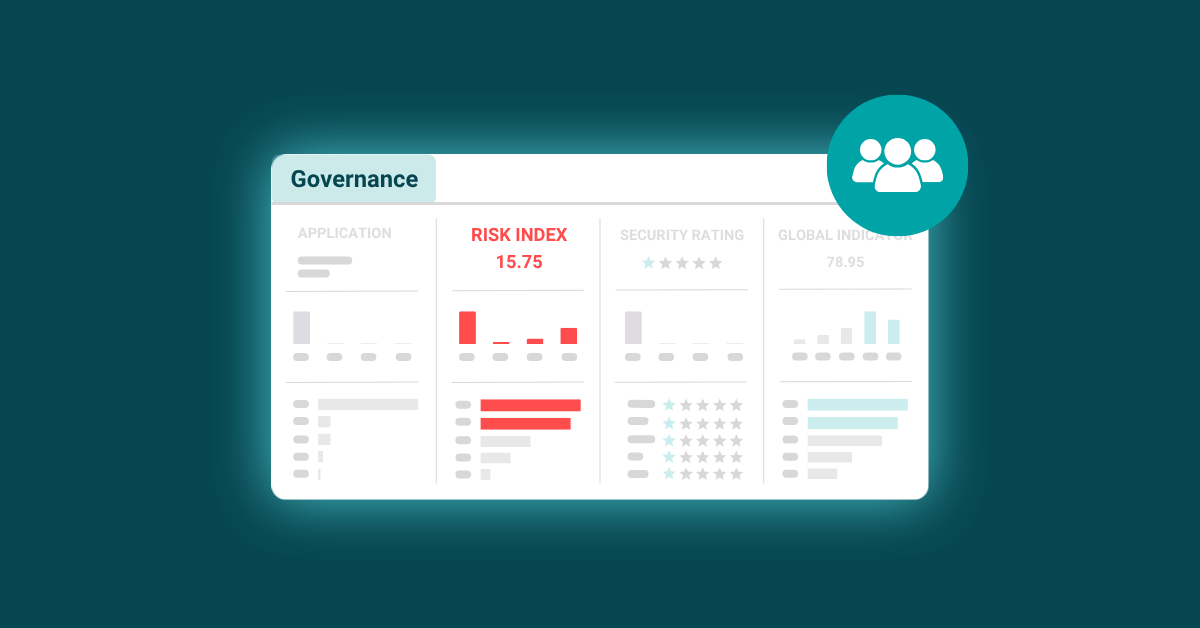
Kiuwan’s solutions integrate an organization’s existing development systems and facilitate team communication. Their powerful, functional dashboards provide stakeholders with essential information at a glance. Reach out today for more information about how Kiuwan’s customized plans can help.