AI coding assistants have moved from experimentation into everyday software development. According to the 2026 Sembi Software Quality Pulse Report, nearly 4,000 software quality and security professionals estimate that, on average, 53% of their organizations’ code is now AI-generated or AI-assisted.
That speed raises an urgent security question: If an AI assistant writes the code, who verifies that the generated code is secure and guides developers through remediation when vulnerabilities are found?
Kiuwan AI Vulnerability Remediation is available to help teams answer that question. It enables developers to run Kiuwan security analysis on AI-generated, AI-assisted, and developer-written code, then investigate and remediate detected vulnerabilities directly within the AI coding assistants they already use.
The assistant receives findings from the Kiuwan engine—including CWE classifications and source-to-sink taint dataflow—and uses that context to explain issues and propose fixes in the developer’s editor. This brings trusted application security analysis into AI-assisted development without requiring developers to adopt another AI platform.
Why AI coding assistant security needs real findings
AI coding assistants can help developers generate, revise, and test code faster. But faster code generation does not change the security standards that code must meet before reaching production.
Development teams may now produce more code changes within the same release cycle, while AppSec teams still have limited time to review findings and support remediation. As explained in our analysis of what AI-generated code means for security teams, security workflows must keep pace without lowering the bar for review.
An AI model can inspect code and suggest that something looks insecure, but a model-generated suggestion is not the same as a finding produced by a dedicated application security analysis engine.
Kiuwan grounds the workflow in findings from its powerful engine, giving the assistant verified security context to work from instead of requiring it to infer vulnerabilities on its own.
How Kiuwan AI Vulnerability Remediation works
After setup, a developer can give the assistant a straightforward request such as:
Run a Kiuwan scan and fix what it finds.
From there, the workflow follows five steps:
- The assistant starts a Kiuwan scan. The AI coding assistant uses Kiuwan Local Analyzer (KLA) to analyze the project as it would during a standard Kiuwan local analysis.
- Kiuwan produces the security findings. Results are uploaded to the organization’s Kiuwan account, where they remain available in existing dashboards and baselines.
- The assistant shows relevant security context. After the scan is complete, findings are returned to the assistant for review and remediation in your editor. Each finding includes details such as severity, the affected file and line, CWE classification, and source-to-sink taint dataflow.
- Issue explanation and fix proposal. Using Kiuwan’s findings as its starting point, the assistant helps the developer understand the vulnerability and suggests an appropriate code change.
- The developer reviews and verifies the remediation. The developer decides whether to apply the proposed change and runs another Kiuwan scan within the AI assistant to confirm the vulnerability has been resolved.
The coding assistant runs the Kiuwan scan to identify security findings, and helps you review and remediate them in your editor.
What developers and AppSec teams gain
Trusted context for AI-assisted remediation
The skill works from findings produced by Kiuwan’s security analysis engine rather than trying to identify vulnerabilities independently.
Each finding includes a CWE classification and the full taint path showing where untrusted input enters the application and where it reaches a potentially unsafe sink. The Kiuwan engine then proposes a change at the appropriate point in the dataflow, such as validating input at the source or using a safer API at the sink, all within the AI assistant.
Security inside the assistants developers already use
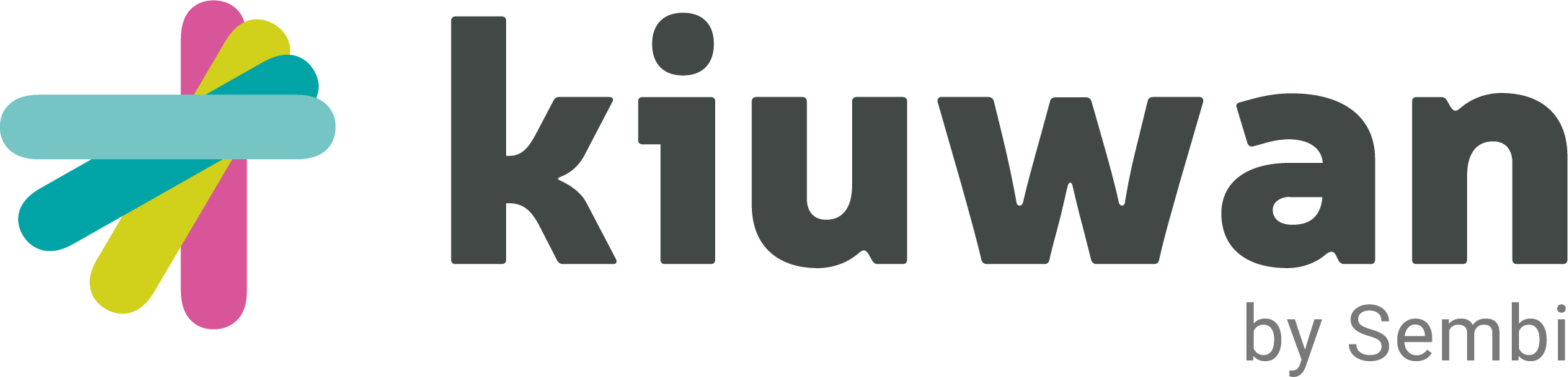
Kiuwan AI Vulnerability Remediation is designed to work with Claude Code, Cursor, Codex, GitHub Copilot, Gemini, and other coding assistants that support the required local command or skill workflow.
Developers can investigate and remediate findings in the environment where they already write and review code instead of moving them into a separate AI remediation tool.
Easier adoption for existing Kiuwan customers
For current Kiuwan customers, this skill is utilized via their existing Kiuwan account and KLA installation. Scan results continue to appear in Kiuwan dashboards and baselines, giving AppSec teams centralized visibility while developers address findings from their coding environment.
Get started with Kiuwan AI Vulnerability Remediation
To get started, developers need:
- A Kiuwan account
- The KLA installed and configured
- A supported AI coding assistant to invoke the Kiuwan skill
Visit the Kiuwan AI Vulnerability Remediation webpage to see how Kiuwan brings trusted security analysis into AI-assisted development.
Existing customers can follow the setup documentation and download the integration files from the Kiuwan GitHub repository.
What is Kiuwan AI Vulnerability Remediation?
The Kiuwan AI Vulnerability Remediation enables AI assistants to run Kiuwan security analysis and help developers investigate and remediate vulnerabilities within their editor. The skill surfaces Kiuwan findings, including CWE classifications and source-to-sink taint dataflow.
How is this different from asking an AI assistant to review code for security issues?
The workflow begins with analysis from the Kiuwan engine through the KLA rather than relying on the AI model to identify vulnerabilities independently. The assistant shows Kiuwan’s findings and explains issues, then, using the Kiuwan engine, proposes changes, which developers can review and verify with another scan. Throughout, Kiuwan automatically stores and tracks reported vulnerabilities and fixes, maintaining full traceability and visibility across the process.
Which AI coding assistants can work with Kiuwan?
The integration is compatible with Claude Code, Cursor, Codex, GitHub Copilot, Gemini, and all other AI coding assistants that support the required skill invocation or local command workflow. Setup varies by assistant.
Does Kiuwan AI Vulnerability Remediation require another service?
No additional service is required beyond KLA. Users need KLA installed and configured, a Kiuwan account with credentials available to KLA, and a supported AI coding assistant.
Can developers review a suggested fix before it is applied?
Yes. Developers can review the proposed code change before applying it and run a Kiuwan analysis again afterward to confirm whether the detected vulnerability has been resolved.