How to Prevent Reverse Shell Attacks: Detection, Defense, and Best Practices
TL;DR: A reverse shell attack happens when an attacker uses your system to initiate an outbound connection back to their remote machine, giving them interactive shell access (a remote shell) inside your environment. Reverse shells are often enabled by remote code execution or misconfigurations, then used to move laterally, steal data, or deploy additional malware. To detect reverse shell attacks, monitor unusual outbound connections, unexpected shell processes, and operating system telemetry across hosts and applications. Kiuwan helps reduce risk by identifying code weaknesses that commonly lead to reverse shells during SAST and SCA scans.
Reverse shell attacks are one of the most common threats businesses face today. Even more, hackers are getting better and better at using them to compromise your organization’s security and potentially cost you tens of thousands of dollars in damages.
However, there are ways to prevent these attacks from harming your organization. Let’s explore what reverse shell attacks are and how your organization can protect itself.
What Is a Reverse Shell Attack?
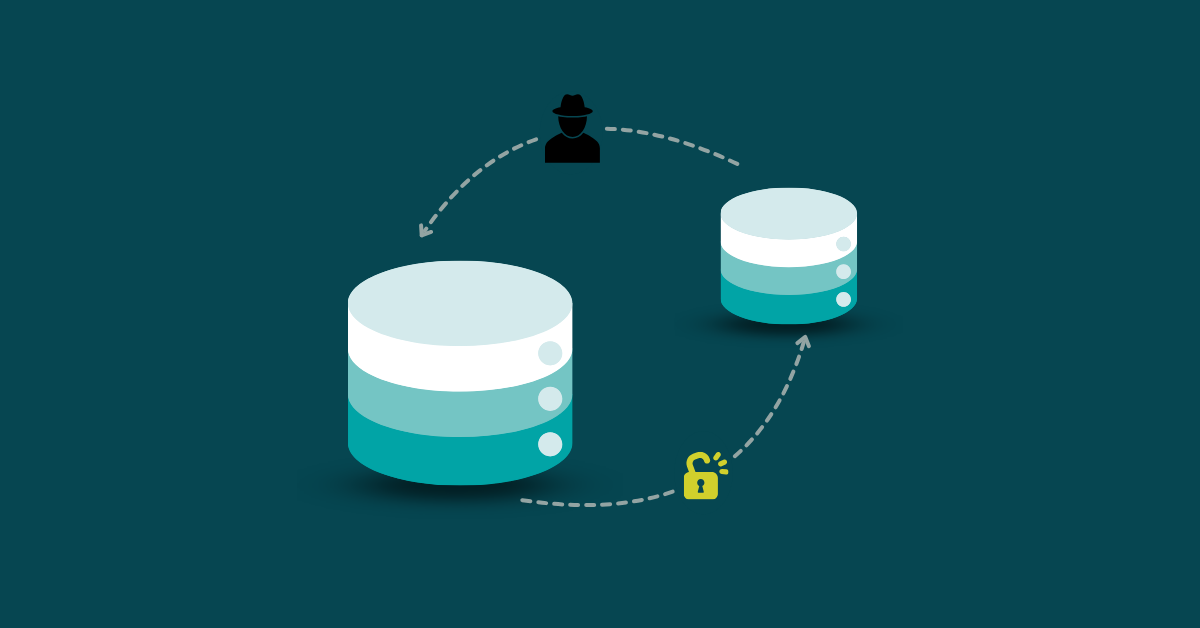
A reverse shell attack is a type of system-wide cloud attack. During a reverse shell attack, malicious hackers or other threat actors use remote computers or mobile devices to access the target’s network. They use the target machine to establish a shell connection with the network, allowing them to execute commands that can seriously damage your organization’s digital infrastructure or compromise sensitive information.
A reverse shell is a type of remote shell where the compromised system initiates an outbound connection to the attacker’s remote machine, giving the attacker interactive shell access. In many incidents, the reverse shell is not the first step. It is the “control channel” attackers use after an initial foothold, often created through remote code execution in an application, a misconfiguration, or stolen credentials.
While IT professionals often use reverse shells to perform maintenance on company devices, criminals can also use them to access a network’s protected network hosts.
These attacks also fall under several different subcategories depending on the type of code they use, including:
- BASH attacks
- PHP reverse shell
- Java reverse shell
- Netcat attacks
- Perl shell attacks
- Python reverse shell
How a Reverse Shell Attack Works
During a reverse shell attack, the hacker sends a suspicious attachment or link with malicious code or software, which the victim unwittingly downloads. This malicious code gives the hacker access to the victim’s computer.
From there, they can:
- Access sensitive company files
- Steal proprietary or client information
- Use the computer as a zombie to launch attacks against your network
Reverse shells depend on the operating system and environment
Reverse shell behavior varies by operating system. On Linux, attackers often try to spawn /bin/sh or /bin/bash. On Windows, you may see command interpreters like cmd.exe or powershell.exe launched by unusual parent processes. The common thread is that a legitimate process flow suddenly turns into interactive shell access, typically paired with an outbound network connection that is new for that host or application.
Real-World Reverse Shell Attack Examples and Case Studies
Reverse shell attacks often serve as a stepping-stone to a full-scale data breach of a company. So while the reverse shell attack itself might not cause a lot of damage to the company’s infrastructure, the repercussions of one left untreated can, and have been, catastrophic.
Here are examples of reverse shell activity showing how attackers move from initial access to persistent shell access, and what defenders can monitor to detect reverse shell attacks earlier.
The Equifax 2017 Data Breach
The American credit bureau, Equifax, experienced a data breach in 2017 that revealed the full names, home addresses, phone numbers, and social security numbers of close to 150 million Americans. By targeting Equifax’s public-facing web application, the attackers were able to evade detection for close to two months after successfully breaking into the private database.
The vulnerability that the attackers exploited was part of the Java framework used to build the web application, called Apache Struts. The attackers were able to execute code remotely on Equifax’s servers and deploy reverse shell access to gain and maintain access to the servers. This attack highlights the importance of security patch management and only using the most recent versions of software and web frameworks to avoid exploitable vulnerabilities.
The Norsk Hydro 2019 Phishing & Remote Access Abuse
The Norwegian group, specializing in oil production and recycling of aluminum products, was infected with ransomware that cost the company an estimated loss of $70 million. The company’s cybersecurity team was only able to uncover the attack once internal systems started malfunctioning, and they detected large amounts of outbound data traffic.
The main avenue of attack was a phishing attempt that allowed the hackers to gain remote access to the company’s servers. From there, they escalated control of the servers to deploy their ransomware. The company was forced to halt all manual operations and later recover lost data from past backups. This particular attack highlights the importance of investing in employee cybersecurity training and awareness to prevent phishing attacks.
Colonial Pipeline 2021 Ransomware Attack
Colonial Pipeline is one of the largest providers of oil pipeline systems in the US. The hacker organization DarkSide claimed responsibility for the ransomware attack that forced the company to shut down its network to minimize damage. However, the attackers were successful in forcing the company to pay upwards of $4 million to recover some of its data.
The hackers exploited compromised VPN credentials where multi-factor authentication wasn’t enabled. After gaining initial access, they then enabled remote command execution to gain complete control over the company’s servers. Since then, the company has invested in segmenting its network to minimize the area of potential attacks.
Reverse Shell vs. Bind Shell: What’s the Difference?
Reverse and bind shell attacks start similarly—with the attacker establishing a connection between their system and the target’s. However, in a bind shell attack, the hacker does not have direct access to the target’s system.
Instead, the attacker “listens in” for incoming connections on specific ports to get the necessary credentials and issue commands. However, given the nature of this type of surveillance, firewalls are generally more effective at blocking bind shell attacks.
Who Is Vulnerable to Reverse Shell Attacks?
Virtually any company with devices connected to a larger network is at risk of these attacks. Because it can come from anywhere, everyone in your organization is responsible for keeping your network safe.
How to Prevent a Reverse Shell Attack
As with other types of cybersecurity, preventing reverse shell attacks is the responsibility of everyone in your organization. Keeping your teammates aware of the signs of phishing and taking these steps can help you protect your organization.
Use Strong Passwords
People have generally moved past relying on the classics like “abcd1234,” “qwerty,” or the classic “password.” This is largely because networks and platforms have gotten stricter about password requirements. However, as most security experts know, this is hardly enough to prevent shell attacks.
It’s also no secret that people will use the same handful of passwords across multiple devices, networks, and applications because they can’t remember more than a few. While a certain degree of this is expected, encourage your organization to use different, complex passwords for your network devices as much as possible.
Other options include using two-factor authentication, remote network authentication devices, and other solutions to strengthen network security.
Update Regularly
The longer you hold off on updating your systems and applications’ code when new patches are available, the more vulnerable your users and network are to attacks from malicious actors. Use tools like Kiuwan SAST and SCA to identify vulnerabilities within your application’s source code that could make your system vulnerable to shell attacks.
Deploy a Robust Firewall
Most reverse shell incidents use outgoing traffic to compromise devices—therefore, your organization may need to take extra precautions with its firewall to make attacks less likely.
A robust firewall system can do the following:
- Block incoming IP addresses that aren’t on the allowed list
- Prevent outgoing connections to websites unless they’re on the allowed list
- Monitor network traffic so admins can easily detect when unauthorized users are trying to access the system
Using a firewall with these features can help your IT department detect users trying to access the system from a banned IP address. In turn, you’ll be able to detect and prevent attacks before they happen.
Look Out for Suspicious Emails
Hackers are constantly getting smarter and finding new ways to access target vulnerable networks. However, emails are still a stalwart part of their arsenal because they can be convincing to the unsuspecting reverse shell victim.
Teach your team to take a few of the following steps to keep your entire organization safe from reverse shell attacks:
- Meet any email demanding urgent action with scrutiny—including emails claiming to be from your boss.
- Watch out for bad grammar and spelling mistakes. Patrick from accounting might not have a strong eye for proofreading, but inconsistencies are often in phishing emails.
- Look for strange salutations or greetings in the email. If your boss usually starts an email with “hi” or “hey,” suddenly switching to “Dear,” can be a red flag.
- Check for email address inconsistencies. While the Friendly-From name may belong to your boss, the email address might be wildly different from their actual email.
- Be suspicious of unexpected email attachments. Hackers can embed malicious code into virtually any file, except .txt files.
- Don’t click links in suspicious emails. Reverse shell attacks often start with someone typing in their login credentials on spoofed login pages that were sent via email and designed to look just like the real page.
- If you see something, say something. Encourage your team to report suspicious emails to your IT team so they can block suspicious IP addresses and make code updates as needed.
Tools to Prevent Reverse Shell Attacks
The best option organizations have to protect themselves is to take a prevention approach by mitigating the risk of reverse shell attacks. Software security applications can help with those efforts.
For example, Kiuwan’s Software Composition Analysis (SCA) tools help businesses monitor and detect reverse shell attacks in their early stages. We also offer managed application security services to keep organizations safe from these threats to their operations.
Start a Free Trial of Kiuwan
Ready to see how Kiuwan can help your organization prevent reverse shell attacks for yourself? Start a free trial today to learn more.
FAQ
What’s the difference between a reverse shell and other types of malware?
A reverse shell is a specific attack method where the compromised machine initiates an outbound connection to the attacker’s system, rather than waiting for incoming commands. Unlike traditional malware that might simply steal data or encrypt files, reverse shells give attackers direct command-line access to your system. This means they can execute any command, install additional malware, or pivot to other systems on your network. The key distinction is the level of control: reverse shells provide interactive access rather than just automated malicious behavior.
How can I tell if my network has been compromised by a reverse shell attack?
Watch for unusual outbound network connections to unfamiliar IP addresses, especially on non-standard ports. Your firewall logs may show persistent connections to external systems that you don’t recognize. Other warning signs include unexpected process activity, new user accounts you didn’t create, files appearing in system directories, or performance degradation. Network monitoring tools that track outbound traffic patterns can help identify these connections. If you notice employees receiving suspicious emails with attachments around the same time network anomalies begin, that’s another red flag worth investigating.
Does Kiuwan detect reverse shell vulnerabilities in real-time or during code scans?
Kiuwan’s SAST (Static Application Security Testing) and SCA (Software Composition Analysis) tools identify vulnerabilities during code scans rather than real-time monitoring. These scans analyze your source code and dependencies to find security weaknesses that attackers could exploit to establish reverse shells, such as command injection flaws, insecure deserialization, or vulnerable third-party libraries. While not real-time monitoring of active attacks, this proactive approach helps you fix vulnerabilities before attackers can exploit them. You can integrate Kiuwan into your CI/CD pipeline to catch these issues early in development.
Can reverse shell attacks bypass two-factor authentication?
Yes, reverse shell attacks can bypass two-factor authentication in several scenarios. If an attacker compromises a machine where someone is already logged in with valid credentials, 2FA won’t help because the session is already authenticated. The reverse shell gives the attacker access to the system itself, not just the login page. Additionally, if the attacker gains access through a vulnerability in the application code rather than through stolen credentials, 2FA never comes into play. This is why defense in depth matters: 2FA protects authentication, but you still need firewalls, code security, and monitoring to protect against other attack vectors.
What should I do immediately if I suspect a reverse shell attack on my system?
Disconnect the suspected compromised machine from your network immediately to prevent the attacker from accessing other systems. Don’t shut it down completely yet, as you may need to preserve evidence or understand the scope of the breach. Alert your IT security team and document everything you’ve noticed: unusual network activity, strange emails, new processes, or performance issues. Check your firewall logs for suspicious outbound connections and block those IP addresses. Scan the system with updated security tools to identify malicious files or processes. Once you’ve contained the threat and gathered information, wipe and rebuild the compromised machine rather than trying to clean it, as attackers often leave multiple backdoors.