Every organization that builds or buys software now relies on SBOM tools to protect its supply chain. As attacks on open-source and third-party code rise, software bills of materials (SBOMs) give teams visibility into what’s running inside their applications,...
A buffer overflow attack is a common vulnerability in software security. It happens when a program writes more data into a memory buffer than it can hold, causing data corruption, crashes, or even remote code execution. Buffer overflows have been known for d...
Rethinking ASPM: From Signal Chaos to Defense in Depth We’ve reached an inflection point in application security. Teams are drowning in signals from SAST scanners, SCA tools, pull request checks, and code quality analyzers— each requiring attention an...
Cross-site scripting (XSS) is a web security vulnerability in which threat actors inject malicious scripts into web pages. Although it has been known for decades, it still impacts modern software, including SaaS dashboards, fintech platforms, healthcare apps,...
As both AI and cyberattacks grow in sophistication, traditional security methods designed for static, on-premises environments no longer cut it. AI in cloud security helps teams spot threats in real time, anticipate risks before they escalate, and respo...
Code security has always been a major concern for development teams. However, tools like static application security testing (SAST) only became available relatively recently. These tools scan a software product’s source code for security vulnerabilities...
We’re witnessing a fundamental shift in how secrets leak into codebases, and traditional scanning approaches are falling dangerously behind. The numbers tell a stark story. Recent reports suggest that teams using AI code-generation tools may face up to ...
Artificial intelligence (AI) is reshaping cybersecurity. It’s being used to defend networks and to launch more sophisticated attacks. AI and cybersecurity are now closely connected, for better and worse. As threats become more advanced and harder to detect, i...
Code quality metrics turn software health into something measurable, trackable, and actionable—the key to building maintainable, scalable, and future-ready systems. For engineering leaders and QA teams, tracking the right metrics uncovers hidden technical deb...
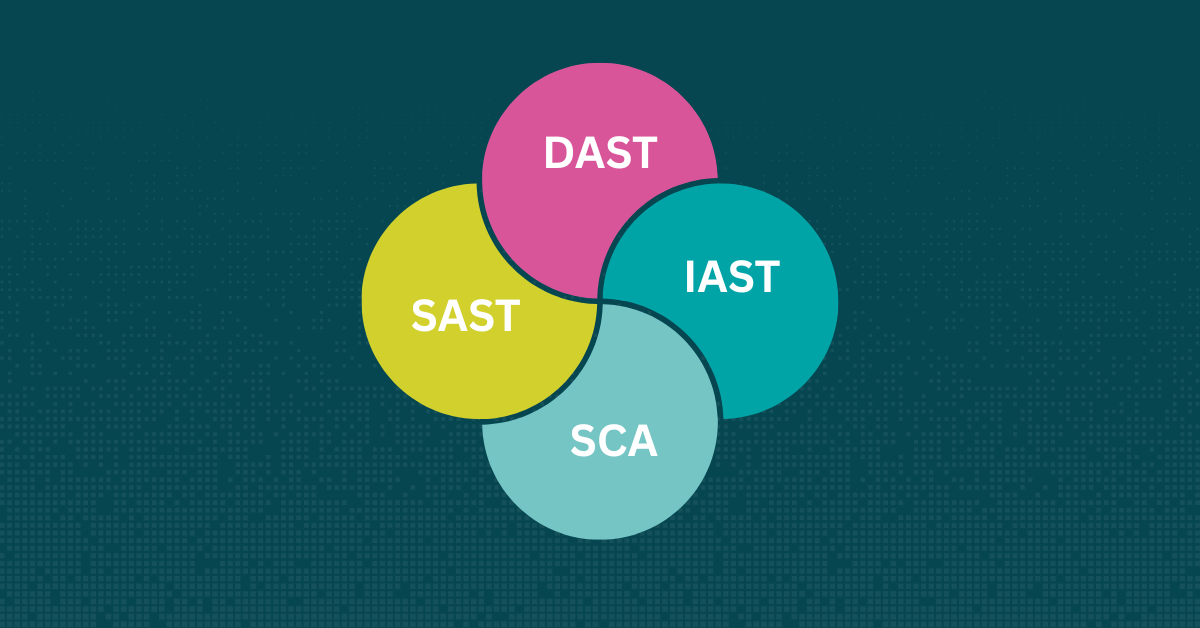
Choosing the right application security tools is essential for identifying vulnerabilities early and securing software throughout the software development lifecycle (SDLC). This guide compares top application security testing (AST) tools, including SAST (stat...
AI coding assistants can help you ship faster, but they can also ship vulnerabilities straight into production. Unfortunately, this increase in efficiency has been accompanied by greater security risks. Recent research indicates that approximately 25–30%...
Cyber threats targeting secure code and software applications are becoming increasingly complex and voluminous. To stay ahead, organizations must embed security earlier in the software development lifecycle, starting with Static Application Security Testing (...