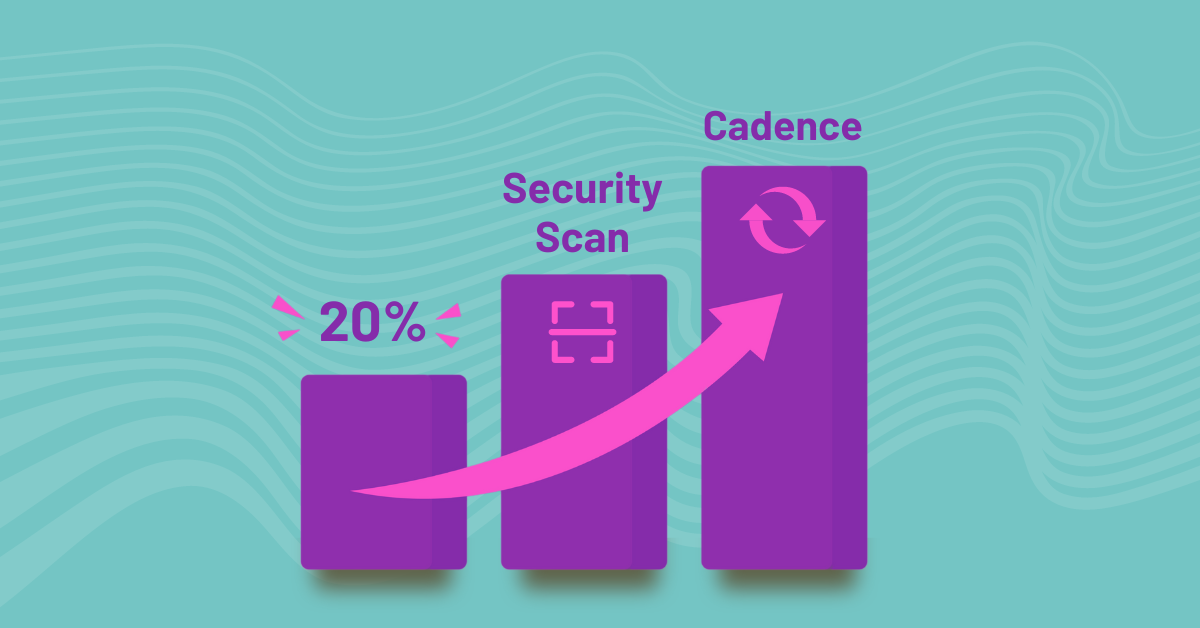
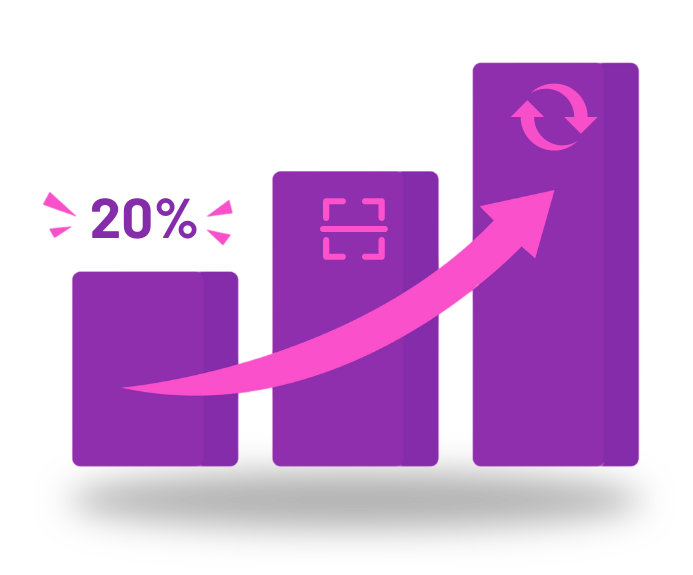
Organizations are now scanning for security vulnerabilities 20 times faster than just a few years ago. The increase in scanning activity is driven by several factors, including the growing adoption of automated scanning tools, the proliferation of cloud-based infrastructure, the adoption of DevSecOps, and the ever-increasing sophistication of cyberattacks.
This article explores the reasons behind this increase in scanning activity and provides insights into how Kiuwan can help organizations reduce the risks associated with code vulnerabilities.
How Scan Cadence Has Rapidly Changed
In recent years, the need for security scanning in the software supply chain has increased dramatically. Security threats constantly evolve, and companies must adapt their scanning procedures to keep pace and ensure data security.
Security scanning helps identify things that attackers could exploit, including:
• Code vulnerabilities
• Third-party vulnerabilities
• Data security breaches
Increasing the frequency of scans enables companies to reduce the risk of successful attacks across the software supply chain.
The cadence of security scans has increased by 20x over the past few years across the software supply chain due to the ever-changing landscape of security threats. Companies must be vigilant to protect their data and code from attackers, and security scanning is an essential part of this process.
Increasing the frequency of scans allows companies to stay ahead of the curve and reduce the risk of a successful attack.
The Reasons Behind Scan Cadence Increases
Several factors have contributed to the increase in scan cadence.
- The number of security threats has increased dramatically in recent years, making it necessary for companies to scan more frequently to stay ahead of the curve.
- The nature of security threats has changed, with a focus on the entire software supply chain. They are now more sophisticated and harder to detect, so companies have to scan more frequently to ensure all threats are caught.
- The speed at which new code is deployed has increased, so it’s crucial to scan more frequently and ensure that new code is not vulnerable to attack.
Importance of Code Security Scanning
As code security has become more important, the frequency of code scanning has increased. This is especially true in the era of DevSecOps and third-party code. To keep pace with the rapidly changing code landscape, Kiuwan has developed a code security scanning solution.
How Kiuwan Can Help Increase Code Security
Kiuwan is a code security scanning solution for mobile and web development. Kiuwan can do this by integrating with various code management and code development tools. This includes popular code management solutions like GitHub, Bitbucket, and GitLab. Kiuwan also integrates with code development tools such as Jenkins, Bamboo, and Azure DevOps.
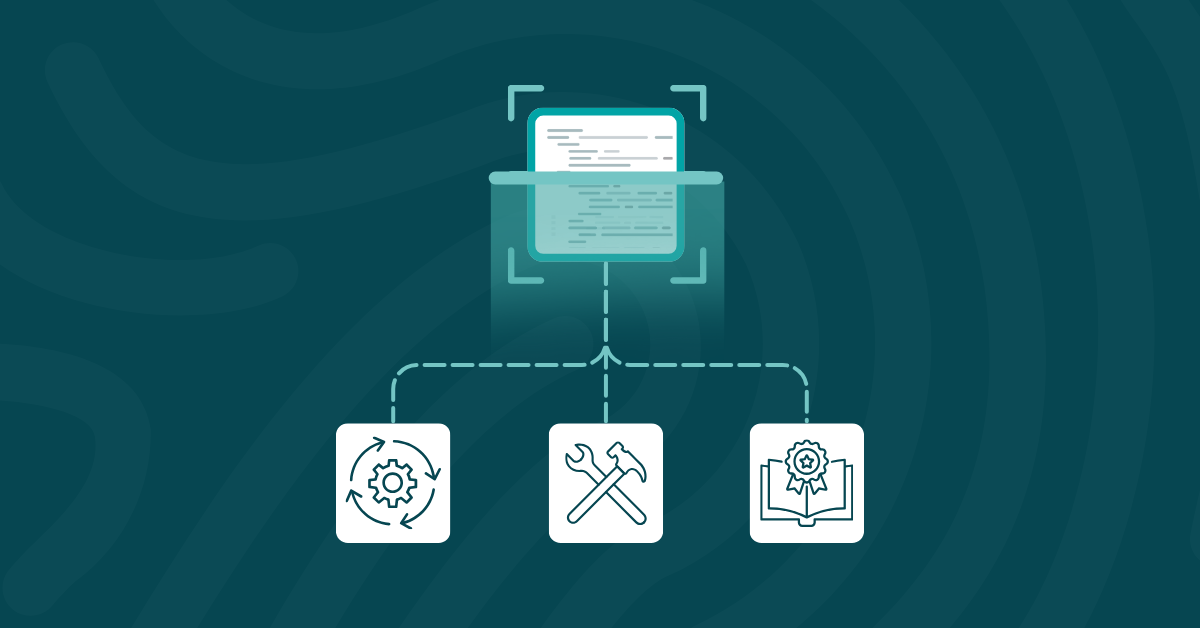
Kiuwan can scan code at such a high cadence because it combines static and dynamic code analysis.
• Static code analysis analyzes code without running it by looking at the code itself or using tools to analyze it.
• Dynamic code analysis is the process of analyzing code while running through tools that monitor the code as it runs or by using tools that test the code.
Kiuwan combines static and dynamic code analysis because it is more effective than either approach alone. Static code analysis can miss issues that only occur at runtime, while dynamic code analysis can miss issues that are not triggered by the code being tested. However, by combining static and dynamic code analysis, Kiuwan can find more issues and provide more accurate results.
How Organizations Are Scanning 20 Times More Often
The code security landscape constantly evolves, with new risks and vulnerabilities every day. Organizations must continuously scan their codebases for potential security issues to stay ahead of the curve.
DevSecOps is a term used to describe the integration of security into the software development process. By automating security scanning and code analysis, organizations can scan their codebases more frequently and discover and prevent vulnerabilities in real-time.
Code security tools such as Code Security by Kiuwan are now integrated into every software development lifecycle (SDLC) stage. This has increased the cadence of security scanning, enabling organizations to move from monthly or weekly scans to daily or even multiple daily scans.
Benefits of Increased Scanning Frequency
The benefits of increased scanning frequency are twofold.
- It allows organizations to discover and fix third-party vulnerabilities more quickly, preventing attackers from exploiting them.
- It helps to ensure compliance with industry regulations, such as the Payment Card Industry Data Security Standard (PCI DSS), which requires code to be scanned for vulnerabilities. This is done to safeguard banking and financial security.
Third-party code is code written by someone other than the organization. It may come from open-source projects or code purchased or licensed from another company. Third-party vulnerabilities can be introduced into an organization’s codebase, so it is important to scan this code for security issues.
Application Security: What It Takes To Be Compliant and Secure
As more companies move their applications to the cloud, it’s increasingly important to ensure that security is central to their development process. The cloud presents unique security challenges, including compliance with regulations and industry requirements.
Companies are turning to software security testing tools such as Static Application Security Testing (SAST) and Software Composition Analysis (SCA) to address these challenges. SAST tools help identify security and third-party vulnerabilities in the code itself, while SCA tools help identify vulnerabilities in the application’s dependencies.
Both SAST and SCA are important for ensuring compliance with security standards such as the Payment Card Industry Data Security Standard (PCI DSS), which is designed to enforce security in the banking and finance industry. They can also help improve the application’s security.
How to Reduce Security Risks for Your Business
Security risks are an ever-growing concern for businesses of all sizes. The increase in scan cadence responds to the rise in code vulnerabilities and the need for comprehensive, ongoing security scanning. Kiuwan offers a solution that can reduce the risks associated with software development and help keep your business safe from attacks.
We offer two products: Code Security [SAST] and Software Composition Analysis [SCA], which help mitigate the risk of code and third-party vulnerabilities. Visit our website to learn more about how SAST and SCA can help you protect your business from these threats.