Java apps have at least two major attack surfaces, and many scanners are stronger on one than the other. Proprietary code is where deserialization flaws, JNDI lookups, and weak crypto live. The Maven and Gradle dependency tree is where hundreds of transitive ...
Software engineering professionals are always looking for ways to write better code and reduce the number of defects in the codebase. Monitoring defect density is one of the best ways to achieve that. Defect density measures the number of confirmed defe...
Software quality and security are closely connected. Even with a perfect UI, a software application isn’t safe to deploy until teams have validated it against potential cyberattacks. Otherwise, stakeholders’ and customers’ data can be at ris...
AI-assisted development has changed how quickly teams can produce code, but it has not changed the security standards that code needs to meet. According to the Sembi Software Quality Pulse Report, respondents estimate that, on average, 53% of their organizati...
Most Java teams shopping for a code quality tool already have one. They’re replacing it because the false positives drowned the signal, the security overlap turned out to be less complete than expected, or the build slowed by 20 minutes, and developers ...
AI now plays a role in more than half of the code produced within the organizations surveyed. According to the Sembi Software Quality Pulse Report, respondents estimate that, on average, 53% of their organization’s code is AI-generated or AI-assisted.¹ For ma...
As the threat landscape continues to evolve, organizations have had to strengthen their cybersecurity posture to overcome more sophisticated and more numerous attacks. Web application security testing has become an increasingly important part of that process,...
As digital threats become more frequent and sophisticated, cybersecurity teams must focus on vulnerability remediation more than ever. Vulnerability remediation is a crucial step in the vulnerability management process. If vulnerabilities are not remedied, th...
Risk-based prioritization is the practice of focusing vulnerability remediation on findings that pose genuine, exploitable risk rather than simply working through scan results in CVSS order. For AppSec teams, it’s the difference between a backlog ...
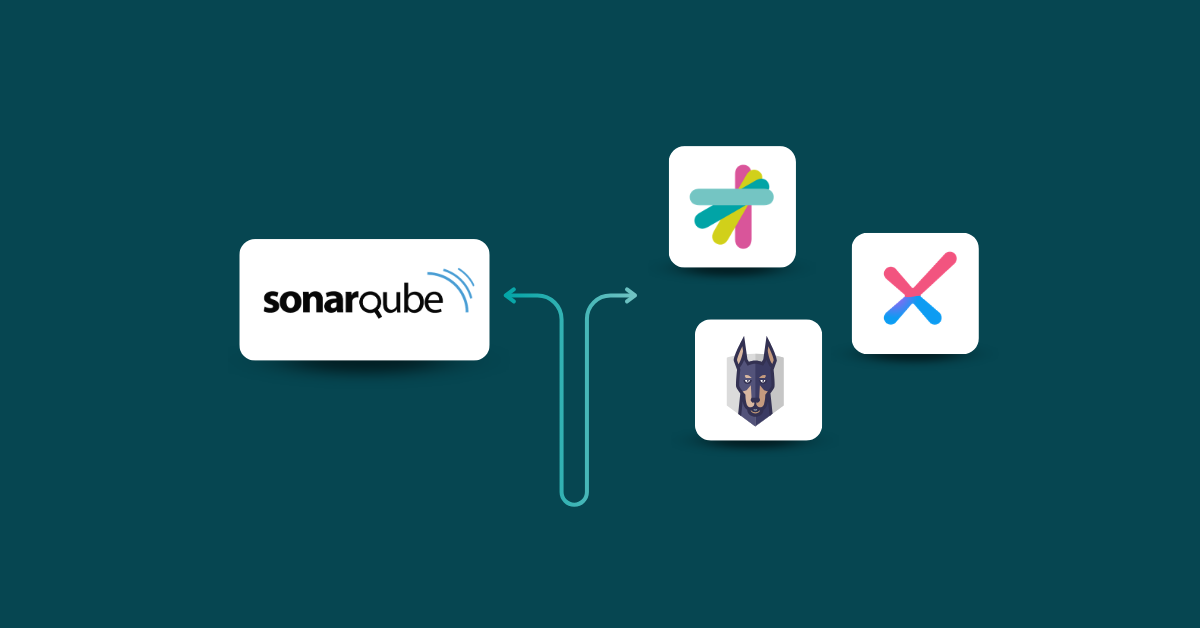
The best SonarQube alternatives for DevSecOps teams are tools that go beyond code quality to deliver genuine static application security testing, software composition analysis, and compliance mapping in a single platform. The strongest options in 2026 a...
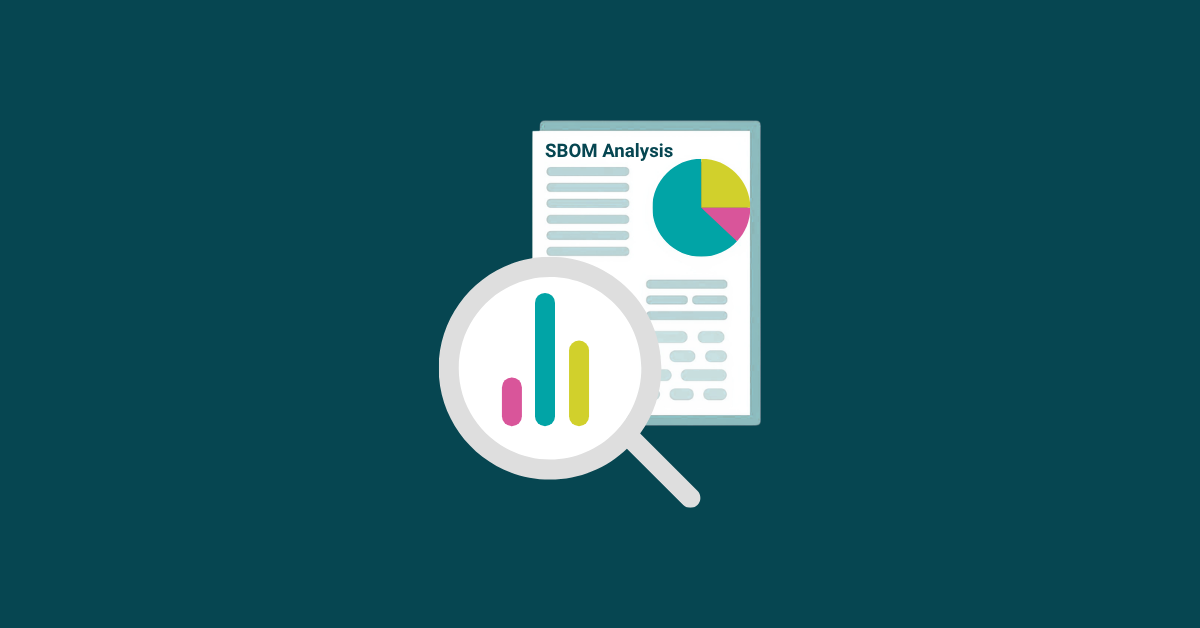
SBOM analysis is the process of examining a Software Bill of Materials (SBOM) to identify vulnerabilities, license risks, outdated components, and compliance gaps across the software your application depends on. Generating an SBOM tells you what is in your so...
It has become easier to detect vulnerabilities in modern development environments. SAST tools, SCA scanners, and cloud-native security platforms help organizations surface thousands of findings across their codebases. Unfortunately, detection was never the ha...