Almost every developer relies to some degree on open source software, and it’s tough to beat the flexibility of open use and distribution licensing.
However, it’s also critical that all developers understand how to control open source components. There are several dependency, security, and license compatibility issues associated with open source solutions that require consideration before launching an application.
Once you have a handle on the issues around deploying open source software in your own projects, it’s nice to know they are easy to address with the right tools. Read on to learn more about the specific issues that open licenses present and how management tools can help you keep your open source components under control.
Security Vulnerabilities
The fact that open source components are free to use has some downsides. One of the most significant downsides is the lack of funding for ongoing security updates to open-source distributions. While volunteer developers work hard to keep open source projects free from vulnerabilities, it’s impossible to fill every security gap with limited funding.
The security vulnerabilities of open source software are not always fixed, but generally well-documented. That’s why it’s essential to investigate the security risks involved with your open source components and address each of them as they apply to your application.
Many of these vulnerabilities are the result of auxiliary features in open-source software. Sometimes, features of open-source components that you are not using in your application can be exploited to access sensitive data or breach your network.
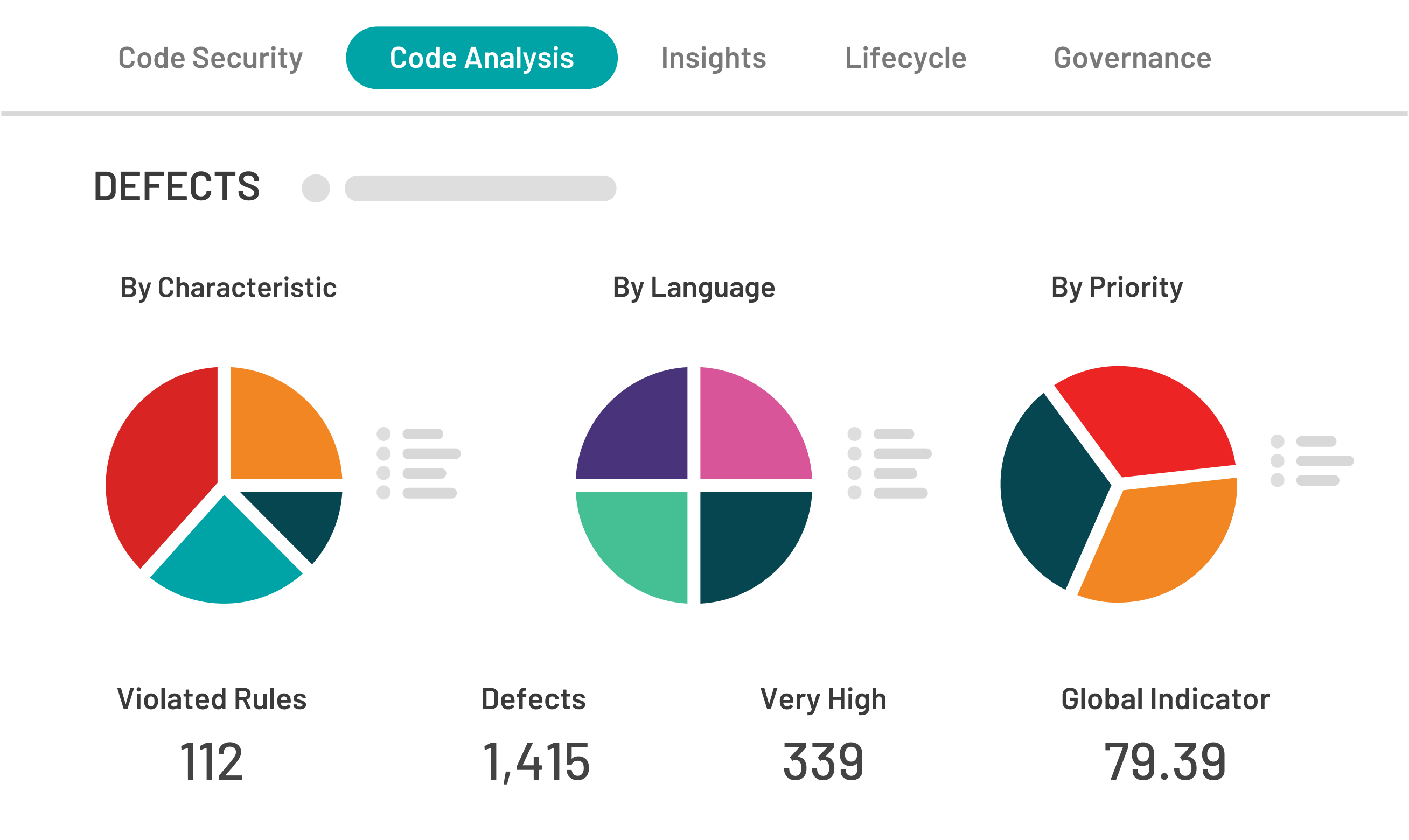
The most effective way to identify such vulnerabilities is by utilizing the appropriate tools. Code review solutions that monitor your entire codebase, including open-source components, will expose any vulnerabilities before deploying your application, allowing you to address them by building appropriate security features into your source code.
Dependencies
A common problem associated with applications that employ open-source components is that those components often bring dependencies with them.
For many of the same reasons that open source projects don’t always receive timely and rigorous security updates, they often come with version-specific dependencies. As deployment environments update, the open-source components of the codebase can be affected by dependencies from previous versions.
As many developers rely on a significant stack of open-source components, isolating the source of dependencies can be challenging. Keeping track of your dependencies is the best way to tackle this problem.
There are several powerful tools available to help you track application architecture and monitor code quality. Such tools can help developers understand the role of open-source components in their application deployment and can help them reduce the number of dependencies in their codebase. It doesn’t eliminate dependencies, but maintaining that level of code comprehension makes developers that much more effective at addressing dependency issues as they arise.
It is always good practice to keep track of code structure and program flow, but open-source components often act like black boxes in a developer’s wireframe diagram of a codebase. These components act in a predictable way and perform specific tasks. However, it’s important for both security and dependency reasons that developers take a look “under the hood” of open source components to understand how they interact with function calls and potentially sensitive data. The right program architecture analysis platform can help developers understand how open-source components are integrated into the overall program flow.
Sometimes dependencies are not necessary. Open-source deployments often include a lot of unused features that can cause dependency or security issues. A proper code quality analysis can help identify unused code and remove it, thereby further reducing the risk of encountering dependency problems.
This is a good practice in general, as running unused features of open-source components can also hinder application performance.
License Compliance
Open-source licensing is, at a surface level, very simple to work with. Most open source projects fully allow users to replicate, modify, distribute, and even sell their software for profit.
This is not true of all open-source projects, which is where developers sometimes encounter trouble using open-source components in their products. Most require specific verbiage in the licensing of derivative software distributions to appropriately credit their use.
A surprising number of companies fail to enforce an open-source licensing policy. When developers spend months or years on a project, it can be a daunting task to sift through open source components used to deploy a product, read the terms of their open source licensing, and appropriately address them in their own product license at the project’s end.
The best way to address this issue is to maintain a running log of open source licenses throughout the development cycle. For larger organizations, it’s best to draft an official policy that covers all developers under your roof.
Due to the scale of this problem, with some software deployments relying on tens of open-source distributions, some companies opt to use open-source license tracking tools. Several tools are available to track open-source licensing.
The most important piece of open source component management is remembering that your open source components are as much a part of your application as the code you’ve built yourself. As tempting as it is, open source tools can’t be treated like black boxes that perform specific functions for your application.
The role, functions, features, behavior, and licensing of every open-source component must be fully understood to properly manage your application deployment and comply with software licensing regulations. Building the right company policies and applying the proper tools will help you control these components.