In 2021, the hyperconnectivity market was valued at $319.4 billion. By 2031, it’s expected to expand to $2.2 trillion. In fact, according to Forbes, the motto of the future is “anything that can be connected will be connected.”
From a user standpoint, this hyperconnectivity seems like a great thing. Users have information at their fingertips, advertisements are personalized to their needs, collaboration can happen from anywhere, and services and resources are accessible in new ways.
From a cybersecurity standpoint, hyperconnectivity presents major challenges. As data is exchanged continuously, the attack surface grows constantly. Keeping up with these evolving security vulnerabilities becomes a never-ending battle.
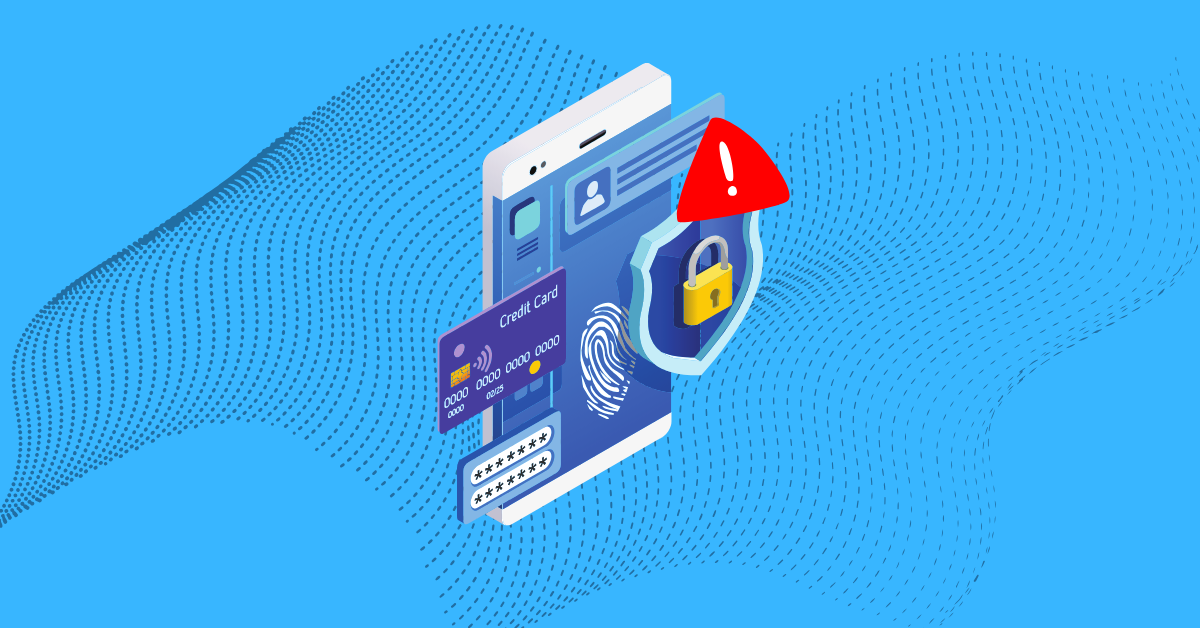
The best way to keep applications secure is to take proactive security measures. Read on to learn more about mobile app security in today’s digital landscape.
📱 Understanding the Mobile App Landscape
Mobile apps are relatively easy to make, cost-effective, and in demand. Research shows that many users prefer apps over websites. However, the result is an oversaturated mobile app market. The wellness industry alone boasts over 10,000 applications. There are a few regulations regarding the creation of mobile apps. As a result, these apps vary widely in both usability and security. Consumers may not know this, but they may already be using insecure apps. As they grow used to the personalization and convenience that come from hyperconnectivity, they come to expect it from all apps.
The result is that you have to offer hyperconnectivity to stay competitive in the current mobile app landscape. However, hyperconnectivity has its drawbacks. The more avenues of connection you offer, the larger the attack surface is. This expanding attack surface can leave your app vulnerable. Comprehensive security measures are the only way to effectively address this evolving threat landscape.
Key Threats to Mobile App Security
There are more than a billion mobile app security breaches each year. The most common breaches (around 60%) are caused by hacking or unauthorized access.
The most significant risk to mobile app security is the expanding attack surface. As hyperconnectivity becomes the norm, mobile apps can become increasingly vulnerable to threats, including:
- Malware attacks
- Data leakage
- Rooting or jailbreaking
- Unsafe third-party components
- Insecure network communication
These threats can be compounded if app developers don’t follow security best practices. Weak server-side controls, for example, or improper application monitoring, can cause security issues to spiral. Unfortunately, the trend of pushing products out quickly can lead app developers to cut corners. Companies may take on technical debt to make apps profitable in the short term, at the expense of long-term application security.
📖 Best Practices for Mobile App Security
Mobile app security breaches are not a victimless crime. Depending on the type of data your app collects, security breaches could have real-world implications for your customers. At a minimum, you’re likely to lose customer trust if you have to report a security breach. Research shows that 74% of customers “would significantly or fundamentally lose trust” in a company if it had a security breach.
If you create apps for specific industries, such as healthcare or education, the implications of a data breach could be even more significant.
To prevent loss of customer trust and potential liability, implementing mobile app security best practices is a good idea. These best practices should help secure the expanding attack surface. Top mobile app security best practices include:
- Secure Coding: Use secure coding practices throughout the development process. A tight code can prevent common vulnerabilities, including injection attacks, buffer overflows, and cross-site scripting (XSS).
- Encryption: Use strong encryption algorithms to protect sensitive data. When considering hyperconnectivity, remember to encrypt data stored on the device as well as data transmitted.
- Authentication and Authorization: Verify user identities using authentication measures. Ensure that only authorized users have access to sensitive features and data.
- Session Management: Implement techniques to protect user sessions and prevent hijacking or fixation attacks. Use unique session tokens, enforce session timeouts, and validate session identifiers to secure sessions.
- Regular Security Updates: Keep the mobile app up to date with the latest security patches. Review and update libraries, frameworks, and third-party components regularly.
- Security Testing: Conduct comprehensive security testing throughout the development lifecycle. This should include static code analysis, dynamic application, and penetration testing. Identifying and solving security vulnerabilities early in development can minimize risks later.
The Role of Static Application Security Testing (SAST)
Static application security testing (SAST) is one form of early security testing that development teams can leverage to improve applications before launch. This form of testing is especially helpful because it identifies security vulnerabilities and weaknesses in an application’s source code without requiring you to execute the code first. This makes it a significant first step whenever your team changes application code.
SAST has two major benefits. The first is that it tests software code before it goes to launch. This allows teams to address potential vulnerabilities as early as possible—before real-world repercussions. The second benefit of SAST is that it helps developers become more mindful of code vulnerabilities during the development process. This can help lead to more secure code down the road as well.
⚙️ Securing the Expanding Attack Surface is Key to Modern App Security
The key to modern app security lies in expanding application protections. As the attack surface grows daily, security measures must become more robust. Developers need a comprehensive security strategy, a robust SAST platform, frequent testing, and ongoing education on new and emerging cyber threats. End-to-end security platforms like Kiuwan can empower your team, helping you identify and remediate vulnerabilities throughout development. Request a demo and begin scanning your code for vulnerabilities.